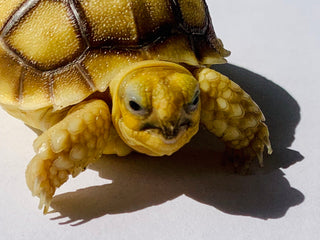
Sulcata Sensory Enrichment Ideas: Stimulating Your Tortoise Naturally
Sulcata tortoises are intelligent and curious creatures that thrive when their environments provide mental and physical challenges. Sensory enrichment—engagement of the senses through interactive activities—encourages natural behaviors, promotes well-being, and reduces boredom. Here are creative enrichment ideas to enhance your tortoise’s daily life.
Why Sensory Enrichment Matters 🐢
Though often stereotyped as passive, tortoises are quite active in the wild—digging, foraging, navigating terrain, and exploring new environments. Enrichment provides the mental and physical stimulation they crave:
-
Physical health: Encourages exercise and muscle tone.
-
Mental well-being: Reduces stress and prevents repetitive, bored behaviors.
-
Behavioral health: Lets them express natural instincts—digging, grazing, exploring—like they would in the wild.
Making your tortoise’s environment engaging is integral to responsible, enriching care.
1. Foraging & Food-Based Challenges 🍃
a) Hidden Treat Burrows
-
Mix leafy greens, flowers, or succulent bits into a sandbox zone.
-
Let your tortoise dig and discover—they’ll use natural pulling behaviors to unearth their food.
b) Hanging Food Bundles
-
Clip a bunch of edible greens (e.g., hibiscus, collards) 6–12″ above their head.
-
They’ll stretch, reach, and explore—simulating wild behaviors.
c) Puzzle Feeders
-
Use sturdy, ball-shaped toys made for dogs, or DIY with heavy plastic bins.
-
Stuff them with hay and hide treats—causing the tortoise to push and root around for food.
d) Whole-Food Surprises
-
Serve whole pumpkins, melons, or corn directly; make them work to eat it.
-
This encourages engagement and physical effort to break them down.
2. Substrate & Texture Variations
Changing textures underfoot and background visuals keeps habitats engaging.
a) Multiple Ground Types
-
Include sand pits, leaf litter zones, grass sections, rock patches, and wood chips.
-
Variety encourages exploratory movement and prevents monotony.
b) Climbing & Terrain Interactions
-
Add gentle ramps, low logs, and dirt mounds—safe but interesting terrain features.
-
Allow movement across varied surfaces to stimulate muscles and senses.
3. Visual & Spatial Enrichment
Tortoises appreciate zones and obstacles that change their visual landscape.
a) Visual Barriers
-
Install structures like large rocks or wooden walls that break sightlines.
-
Encourages exploration and physical activity.
b) Rearrange Regularly
-
Monthly or after cleaning, shift features: move logs, hides, and feeding zones.
-
Keep the environment unpredictable and engaging.
4. Sensory Add‑Ons / Novel Items
Novelty stimulates curiosity—treat with care to avoid stress.
a) Light Toy Elements
-
Heavy plastic balls, safe garden toys—they can push them around.
-
Some tortoises interact; others ignore—watch your tortoise's preference.
b) Scent Exploration
-
Introduce fresh, safe herbs (mint, rosemary), cardamom pods, pumpkin spice.
-
Tortoises may root and investigate with their beak, enriching the environment.
5. Social & Human Enrichment
Tortoises can form social bonds—interactions should be safe and stress-free.
a) Tortoise Companionship
-
If housing multiple tortoises, supervise interactions.
-
Social interaction can be enriching, provided there's adequate space.
b) Owner Presence
-
Spend time near feeding or exploring areas; many tortoises recognize and grow comfortable with their caretakers.
-
Gentle shell rubs may be appreciated by some individuals.
6. Outdoor Experience Opportunities
Fresh air and varied terrain offer rich sensory input—safe exploration is key.
a) Supervised Outdoor Time
-
Let them naturally graze, dig shallow burrows, and explore plant variety.
b) Portable Enclosure Swaps
-
Relocate portable pens weekly; natural scents & terrain variety enrich sensory experience.
7. Maintenance, Safety & Response
-
Safety first: Ensure no choking hazards, small enclosure gaps, or toxic items.
-
Observe behavior: Engagement is good. Signs of stress (lethargy, hiding, loss of appetite) means you should reevaluate.
-
Rotate regularly: Too much too fast may overwhelm; small, steady changes are ideal.
✅ Suggested Enrichment Checklist
| Enrichment Type | Example Idea | Frequency |
|---|---|---|
| Foraging | Hidden burrow treats | 2–3× per week |
| Hanging Greens | Collards on clipboards | Weekly |
| Puzzle Feeder | DIY food bin | Bi-weekly |
| Textures & Terrain | Sand, grass, wood areas | Permanent |
| Visual Rearrangement | Move logs/hides/toys during cleaning | Monthly |
| Human Interaction | Shell scrubs, feeding time | Daily |
| Outdoor Exploration | Supervised outdoor enclosure sessions | Weekly/seasonal |
Final Thoughts 🎯
Sensory enrichment isn’t just about toys—it’s about promoting mental and physical health through natural behaviors. By incorporating foraging puzzles, substrate variety, terrain features, scent elements, social interactions, and safe outdoor time, you’ll enrich your sulcata's life and strengthen your bond. Start slow: introduce one or two new elements and observe your tortoise’s response. Over time, you’ll find their preferences and understand what truly engages them.
Your sulcata will thank you with curiosity, vitality, and happy tortoise vibes!